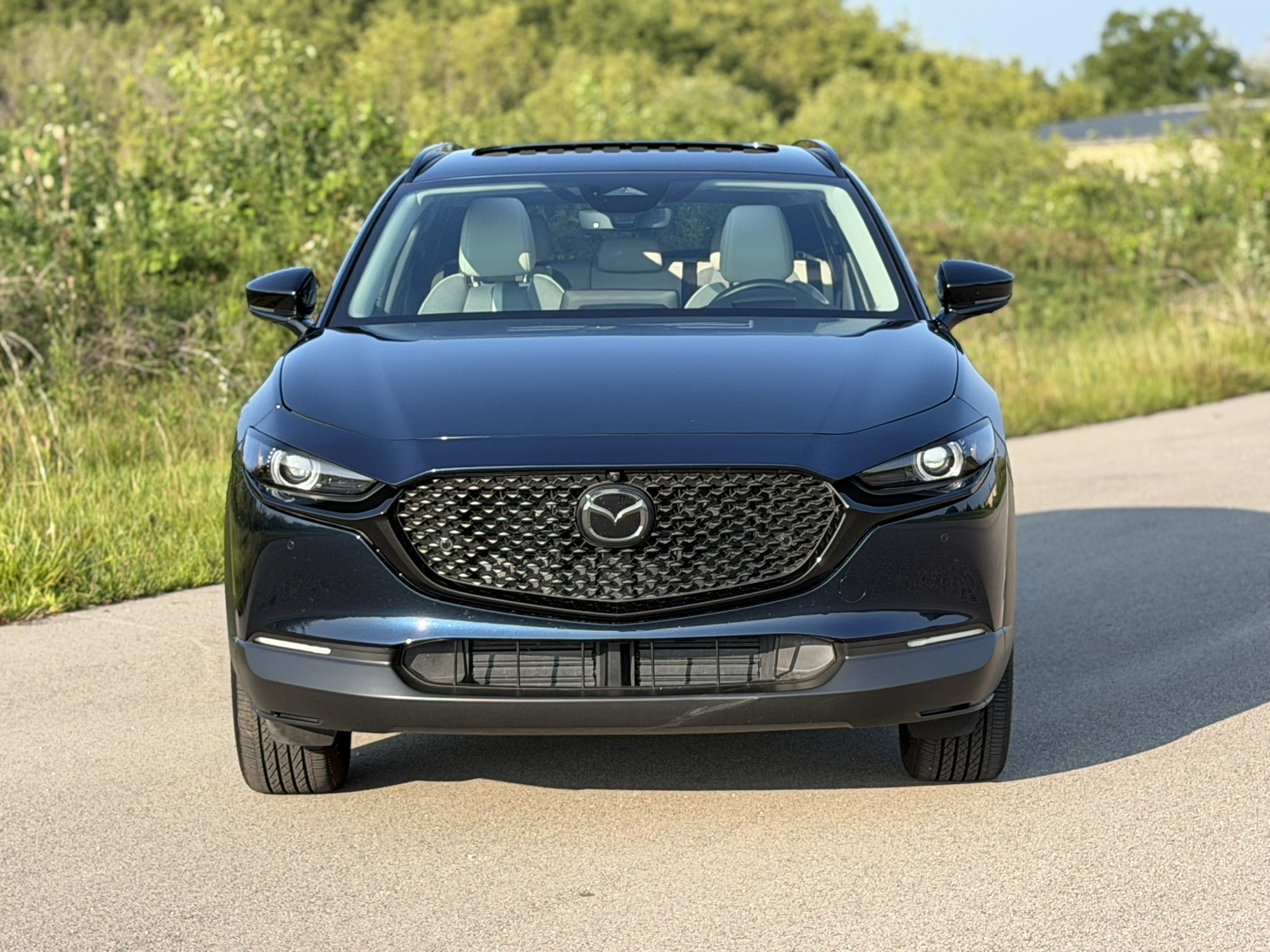
2026 Mazda CX-30
Delivering a New Meaning to Entry-Level Crossover
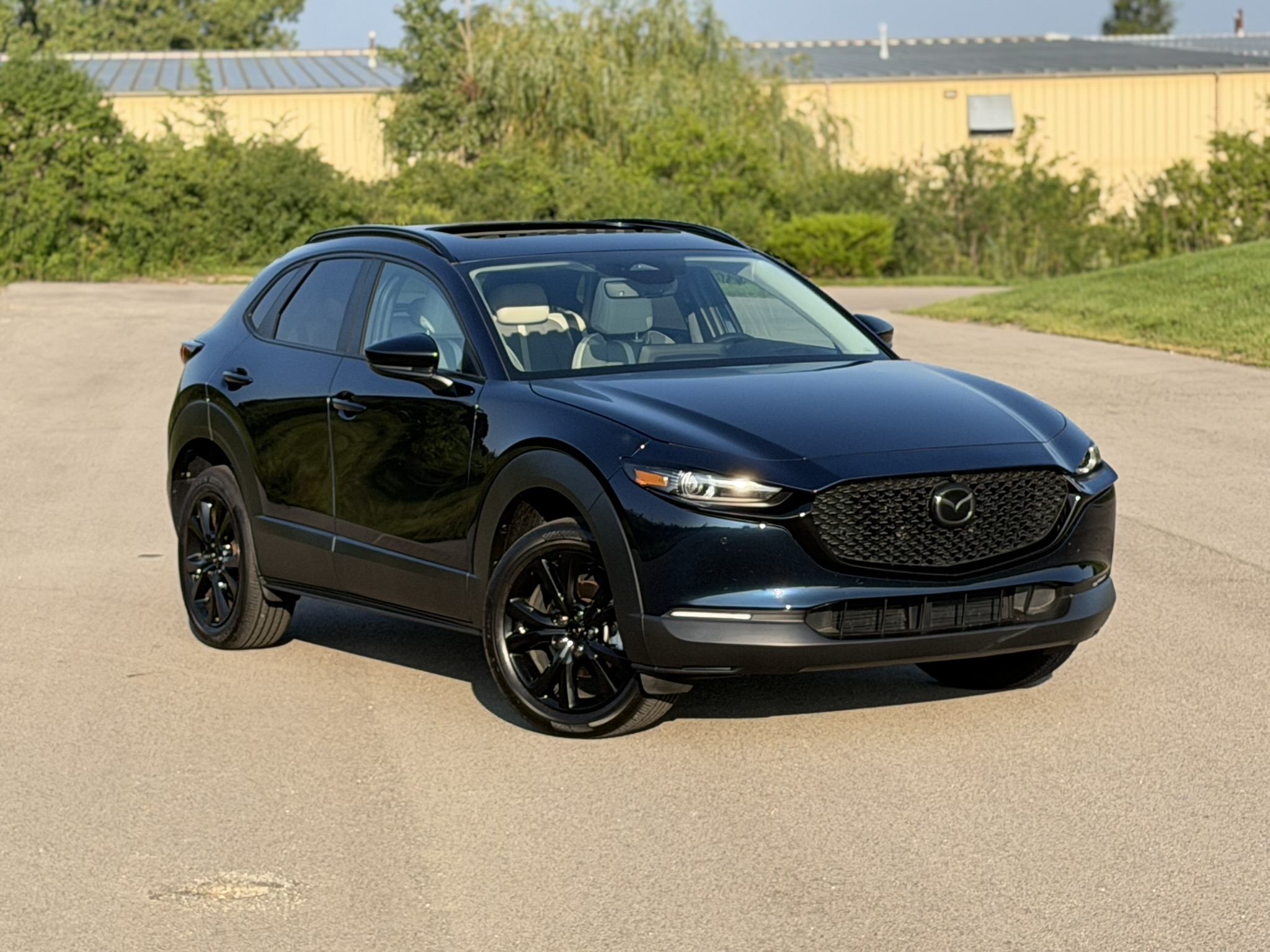
Test Vehicle: 2026 Mazda CX-30 2.5 Turbo Aire Edition
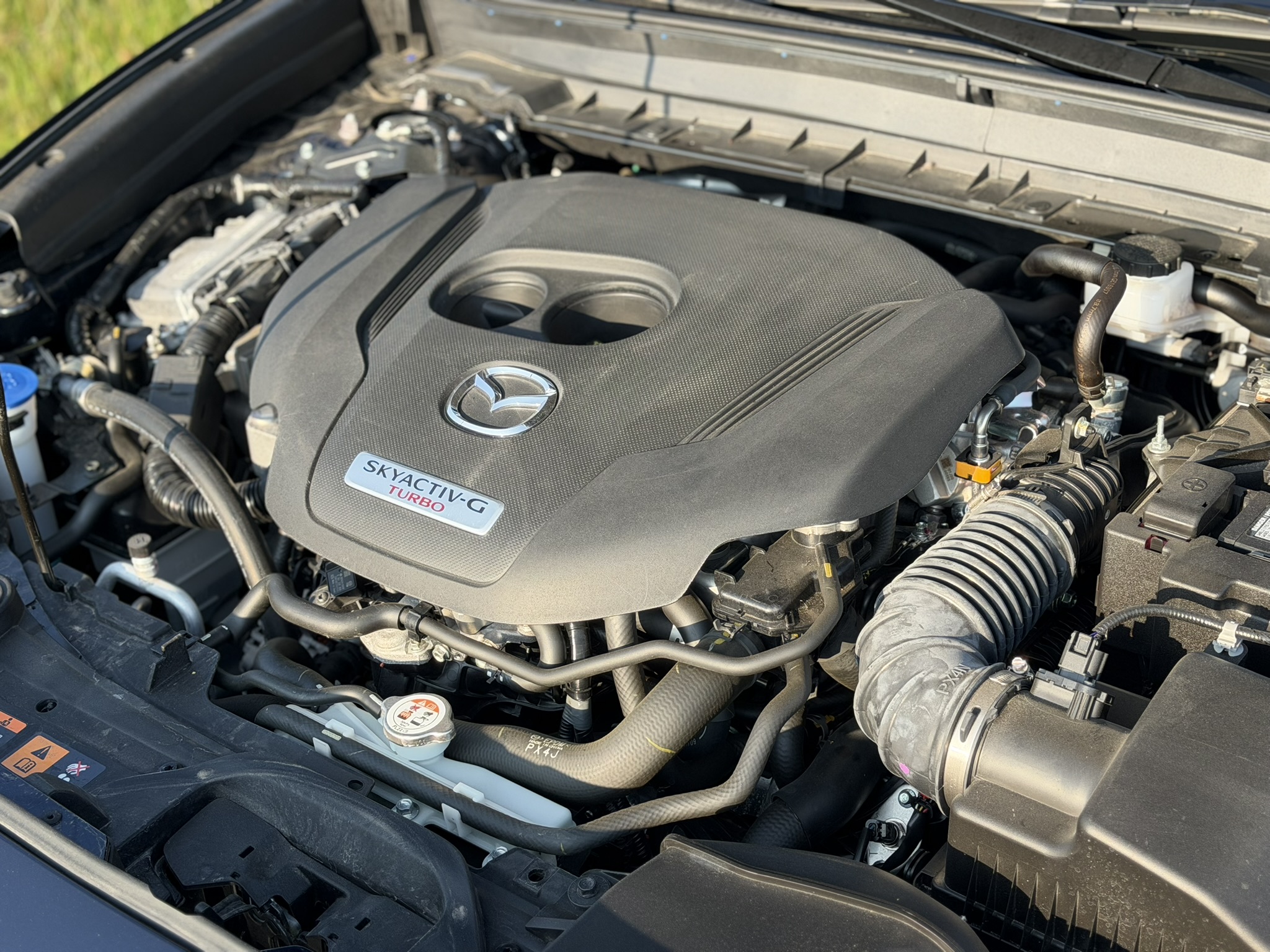
Powertrain: SkyActiv 2.5L Turbo Engine
Exterior Color: Deep Crystal Blue Mica
Interior Color: White/Gray
Notable Options: Cargo Cover ($165), Illuminated Door Sill Plates ($575), Navigation System ($450)
As-Tested Price: $37,095 (Including Destination & Delivery)
Pros: Upscale Interior, Engaging Drive, Standard AWD, Value
Cons: Tight Rear Seat Headroom, Limited Cargo, Average Fuel Economy, Small Fuel Tank
Mazda introduced the CX-30 in 2020, and it continues to serve as the brand's entry-level crossover, positioned between the Mazda3 and the larger CX-5. This five-passenger subcompact crossover is based on the Mazda3 platform but rides higher, offering a more utilitarian stance and additional versatility. For 2026, the CX-30 receives several updates that enhance its driving dynamics, technology, and trim offerings while maintaining the qualities that have made it one of my favorite vehicles in the segment.
The 2026 CX-30 is available in several trim levels, including the 2.5 S, Select Sport, Preferred, the new Aire Edition, Carbon Edition, Premium, Turbo Aire Edition, and Turbo Premium Plus. The standard powertrain is a naturally aspirated 2.5-liter four-cylinder producing 186 horsepower and 186 lb-ft of torque. Also available is a turbocharged version offering up to 250 horsepower and 320 lb-ft of torque when using premium fuel. All models come standard with Mazda's i-Activ all-wheel-drive system and a six-speed automatic transmission.
New for 2026, Mazda has added a brake-actuated limited-slip differential to improve traction and stability, along with revised dampers designed to improve ride comfort. The CX-30 also continues to offer G-Vectoring Control Plus and Off-Road Traction Assist. Pricing starts at $26,375 for the base 2.5 S and climbs to $37,900 for the Turbo Premium Plus, before destination and delivery charges.
Competition in this segment continues to grow, with primary competitors including the Buick Encore GX, Chevrolet Trax, Honda HR-V, Hyundai Kona, Kia Seltos, Nissan Kicks, Subaru Crosstrek, Toyota Corolla Cross, and Volkswagen Taos.
The CX-30 is unique in how it blends the fun, sporty driving characteristics of the Mazda3 with the utility of a CX-5 crossover. I remain impressed with its styling, performance, and premium interior. For an entry-level vehicle, it feels like it is punching above its weight and competing with vehicles that cost considerably more. The turbocharged engine that impressed me in previous Mazda models continues to be equally impressive in the CX-30.
It's buttery smooth and handles more like a hot hatch than a crossover. After spending time in the new Turbo Aire model, there are several things that stand out…
Performance/Handling
The turbocharged version of the CX-30 really delivers that Zoom-Zoom feeling Mazda is known for. The turbocharged 2.5-liter engine produces 227 horsepower and 310 lb-ft of torque on regular fuel, increasing to 250 horsepower and 320 lb-ft when using premium fuel. While the standard engine will certainly suffice for most drivers, I particularly enjoy the crisp, responsive acceleration and added performance that come with the turbo. The ride remains smooth and composed, absorbing road imperfections while handling corners with ease. Mazda has made some worthwhile improvements for 2026, including revised dampers and a brake-actuated limited-slip differential. These additions help improve ride comfort, traction, and stability without sacrificing the engaging driving characteristics that make the CX-30 so enjoyable.
The six-speed automatic transmission shifts smoothly, and I always feel connected to the pavement with minimal body lean, something many crossovers understandably struggle with because of their higher ride height. A Sport mode located next to the gear selector enhances acceleration by keeping the vehicle in lower gears longer. Paddle shifters are also available on higher trim levels for drivers who prefer more control over gear selection. Acceleration from zero to 60 mph in the turbo model is estimated at approximately 5.8 seconds, making it one of the quicker vehicles in this segment.
These performance numbers are impressive among mainstream brands. You would have to step up to more expensive luxury brands such as BMW, Jaguar, or Mercedes-Benz to find similar performance in a small crossover.
Utility
Standard all-wheel drive means the CX-30 is well-equipped to handle a variety of driving conditions. Mazda's i-Activ AWD system continuously monitors vehicle dynamics and adjusts power distribution to help maintain traction when needed. It's a particularly appealing feature for Midwest drivers who regularly deal with snow, ice, and changing road conditions.
The CX-30 also offers Off-Road Traction Assist, which helps maintain forward momentum when driving over loose or slippery surfaces. Another utility feature worth mentioning is the cargo area, which provides 20.2 cubic feet of space behind the second row. The rear seats fold down to expand capacity to 45.2 cubic feet. Overall cargo space is average for the class, but I found it sufficient and more accommodating than your average hatchback competitor.
Fuel Economy/Tank Size
Fuel economy remains average for the segment, although the naturally aspirated engine is more efficient than the turbocharged version. The 2026 CX-30 2.5 S models are EPA-rated at 24 MPG city, 31 MPG highway, and 27 MPG combined. Turbocharged models are rated at 22 MPG city, 30 MPG highway, and 25 MPG combined.
The fuel tank remains relatively small at 12.7 gallons. That translates to an estimated driving range of approximately 317 miles for the turbo model based on its combined EPA rating. Actual range will vary depending on driving conditions and habits.While the fuel economy is respectable, the smaller tank means more frequent stops at the gas station than some competitors.
Overall Interior
Hopping inside any modern Mazda, you'll find a more premium interior than you might expect, and the CX-30 is no exception. The cabin continues to emphasize clean design, quality materials, and an upscale atmosphere. Depending on the trim, buyers can choose from cloth, leatherette, or leather-trimmed seating surfaces, with several interior color combinations available.
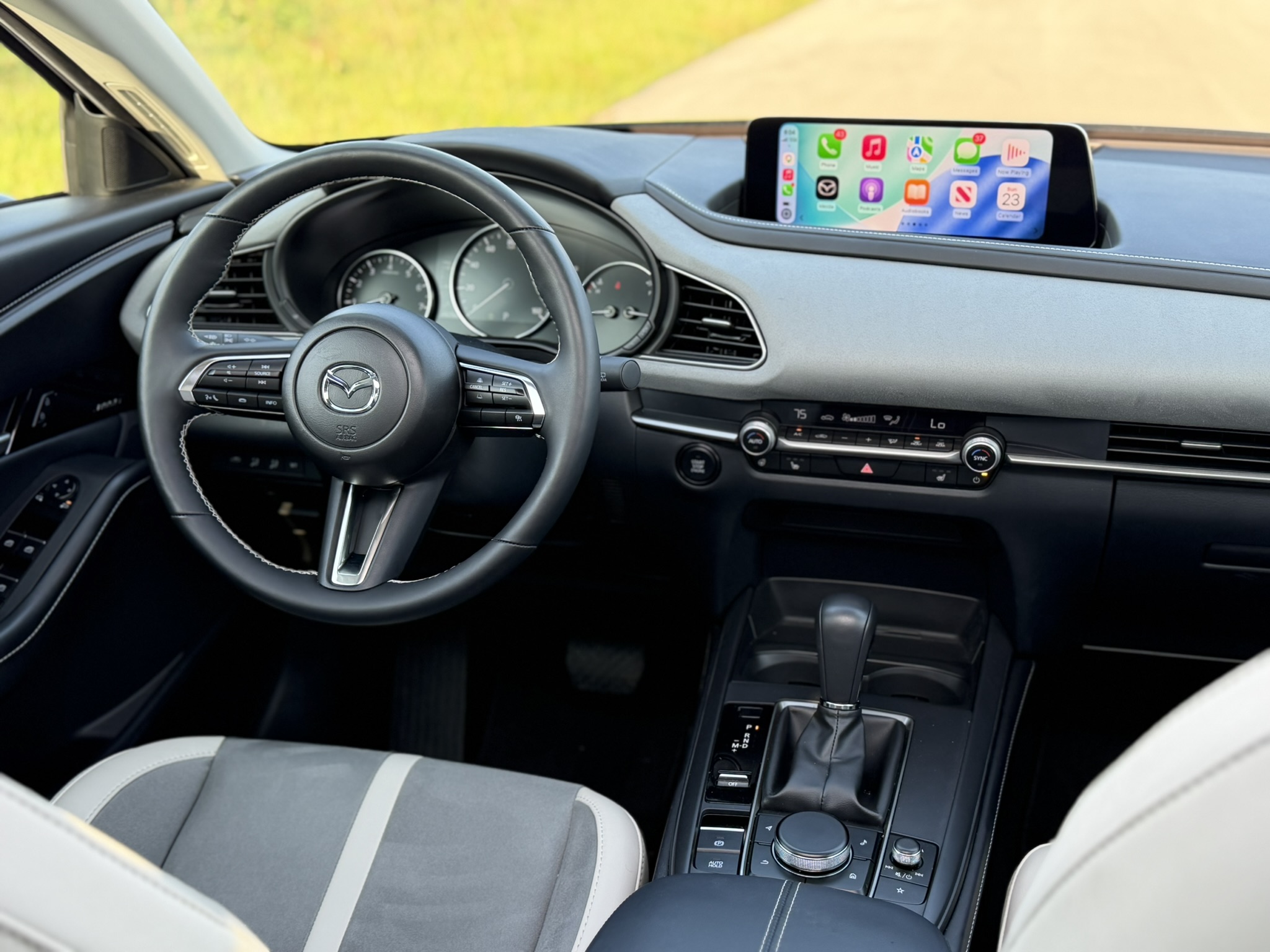
The dashboard layout is straightforward and driver focused. The instrument cluster features a traditional design with three circular elements outlined in attractive trim. A seven-inch LCD multi-information display provides additional vehicle and driving information. An available head-up display is impressively crisp and helps keep important driving information within the driver's line of sight.
The infotainment display sits atop the dashboard, angled slightly toward the driver. For 2026, a larger 10.25-inch center display with touchscreen functionality for Apple CarPlay and Android Auto is available on select trims. Mazda continues to utilize its traditional multifunction commander knob, positioned below the gear selector, which allows drivers to navigate menus without reaching toward the screen.
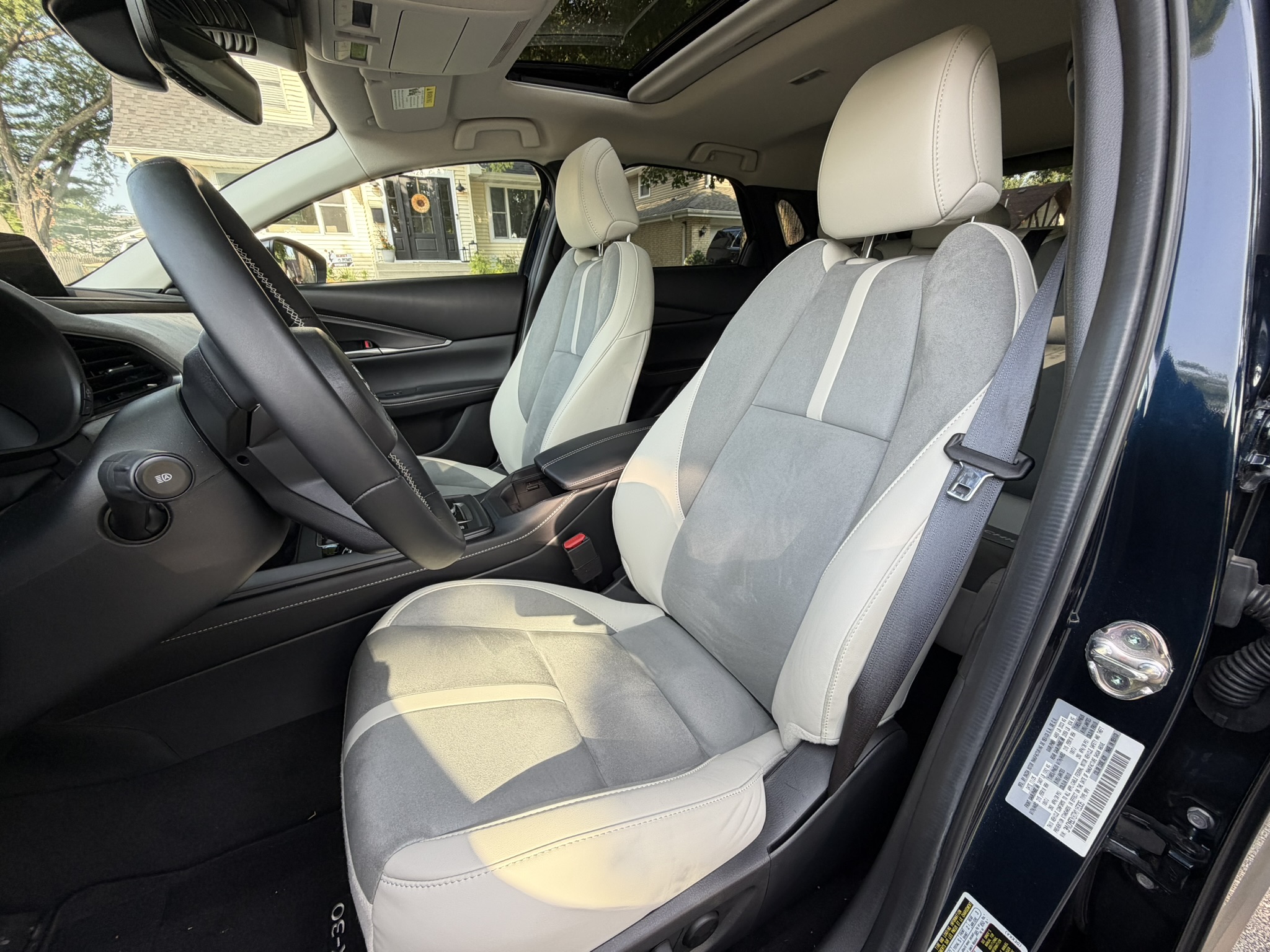
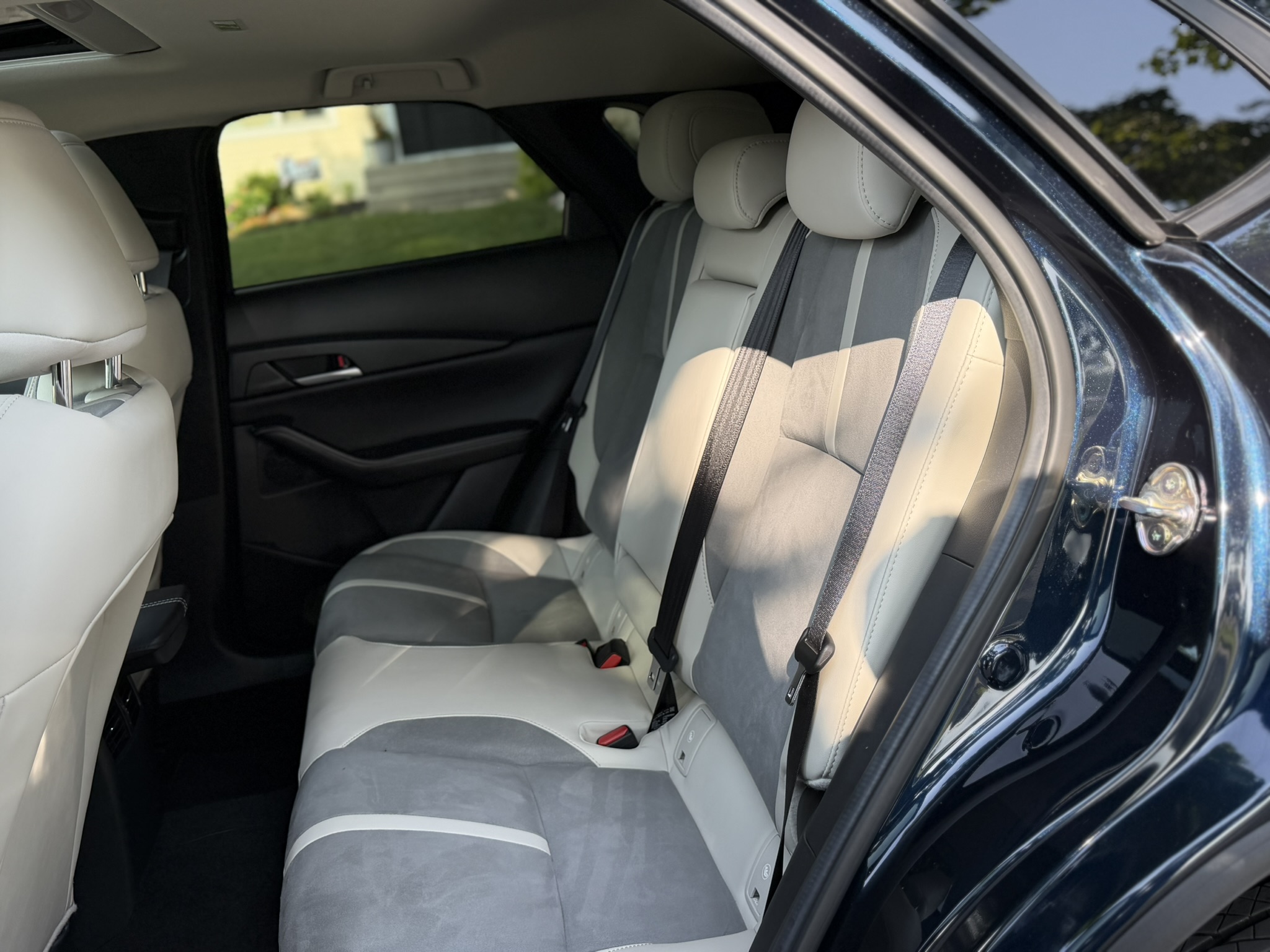
The overall layout creates a calm, comfortable environment. Front-seat passengers enjoy good headroom, legroom, and shoulder room, and the seats provide excellent support. Available eight-way power adjustment helps drivers find an ideal seating position. The rear seats are more limited, particularly for taller passengers, due to the CX-30's compact dimensions and sloping roofline. Still, for a subcompact crossover, the interior is nicely finished and feels more expensive than its entry-level positioning suggests.
Visibility
One complaint I continue to have with the CX-30 is visibility. Its exterior design pairs a high beltline with a relatively low roofline, resulting in slimmer windows throughout the cabin. The rear hatch window is particularly angled, and the rear-seat headrests can obstruct the view through the rearview mirror. While the rearview camera and available 360-degree camera system help when backing up and maneuvering in parking spaces, I would still prefer a more unobstructed view when cruising down the highway. It's one of the compromises Mazda makes in favor of the CX-30's attractive exterior styling.
Technology & Safety:
Mazda has continued to improve the CX-30's technology offerings while maintaining its driver-focused approach to infotainment. Apple CarPlay and Android Auto integration are standard, with wireless connectivity available on select trims. The available 10.25-inch display brings touchscreen functionality for smartphone integration, while the traditional commander control knob remains an option for navigating the infotainment system. I still appreciate Mazda's approach because the controls are conveniently positioned and help keep the dashboard clean and free of fingerprints.
Other available upgrades include a Bose 12-speaker premium audio system, wireless charging, Alexa Built-in, and additional connected services. Higher trims also offer features such as a 360-degree camera system, head-up display, and power rear liftgate.Safety technology is another strong point. Mazda's i-Activsense suite includes a generous collection of standard driver-assistance features. These include:
- Mazda Radar Cruise Control with Stop & Go
- Smart Brake Support with forward collision warning
- Lane Departure Warning
- Lane-Keep Assist
- Blind Spot Monitoring
- Rear Cross Traffic Alert
- High Beam Control
- Driver Attention Alert
- Rear Seat Alert
- Vehicle Exit Warning
- Rearview Camera
Additional available features include front and rear parking sensors, a 360-degree View Monitor, and other driver-assistance technologies depending on trim level. The 2026 CX-30 has also earned an IIHS Top Safety Pick+ designation and a five-star overall safety rating from NHTSA, adding to its appeal for buyers prioritizing safety.
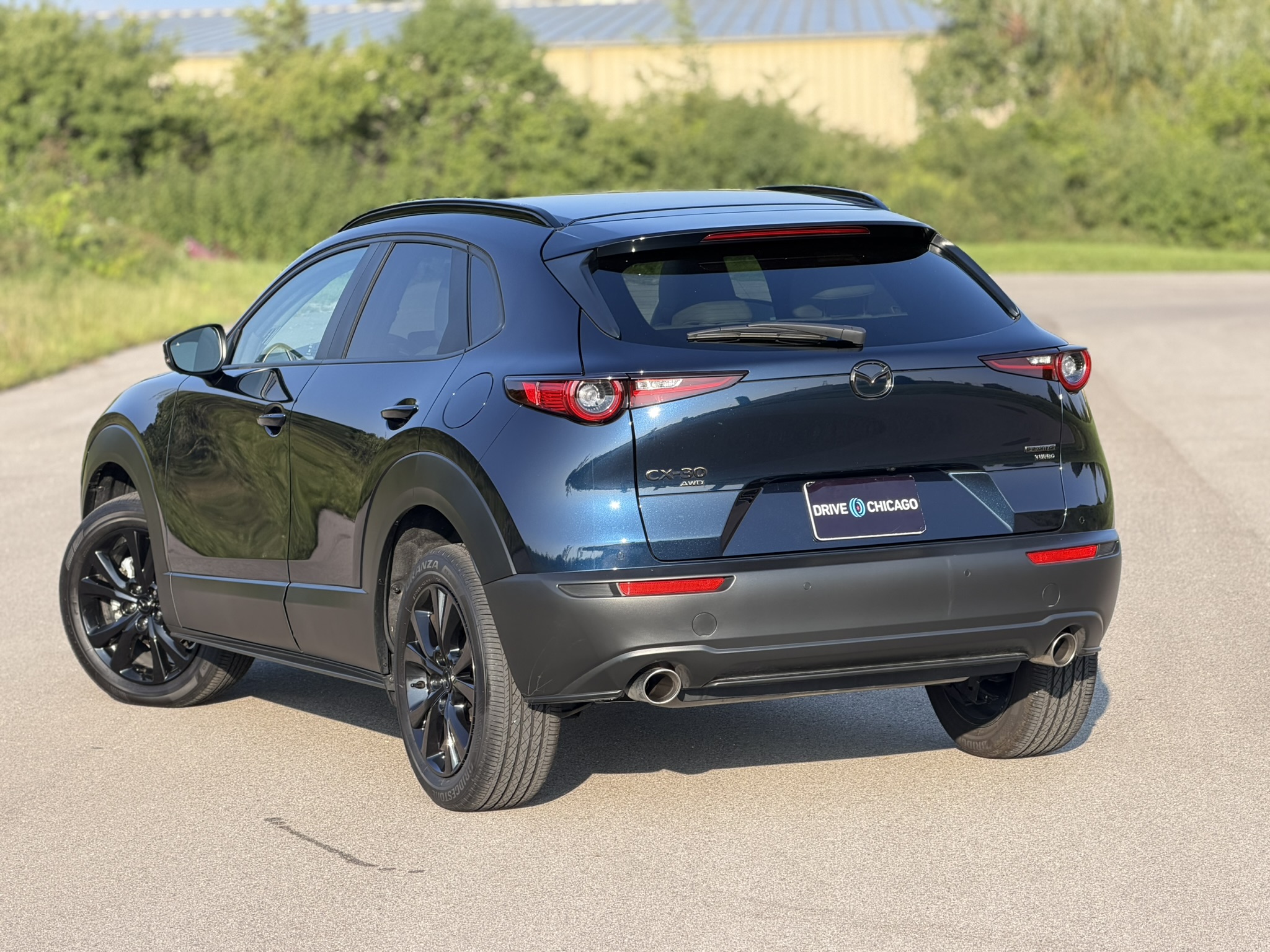
Exterior Style
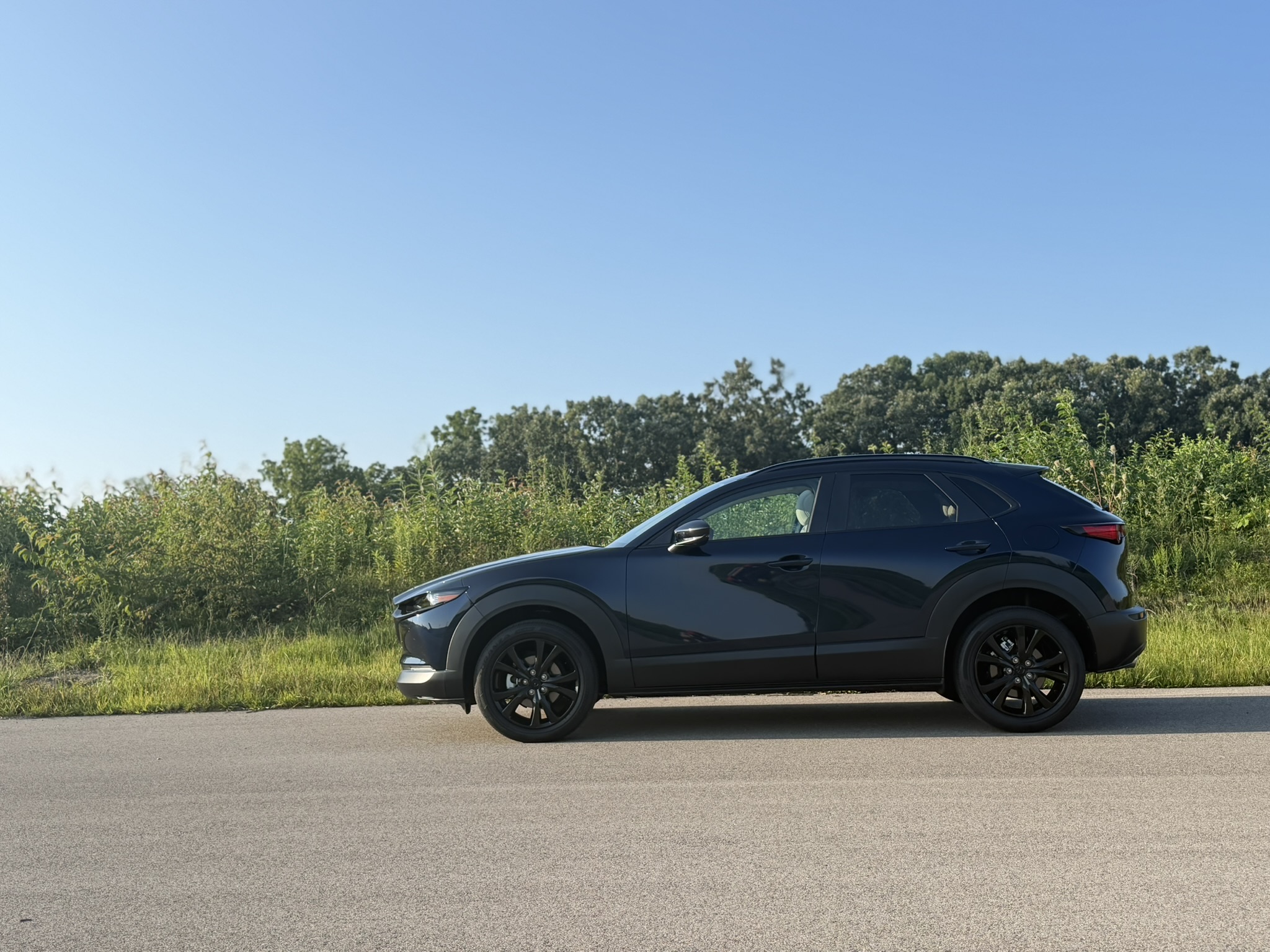
The CX-30 continues to have one of the more distinctive designs in the subcompact crossover segment. Its overall appearance is fluid, clean, sporty, and elegant. There are no harsh lines, and Mazda offers a sophisticated paint color palette that complements the vehicle's proportions.
Up front is Mazda's signature grille, flanked by sleek LED headlights with a distinctive lighting signature. The lower front bumper incorporates slim lighting elements, while black cladding surrounds the lower portion of the vehicle and wheel arches. I'm typically not a fan of excessive body cladding, but it works on the CX-30 by giving it more of an SUV appearance than the similarly styled Mazda3 hatchback.
The overall proportions are attractive, with a wedge-shaped stance and a longer, slimmer nose. Around back, the LED taillights sit high and extend toward the center of the hatch, giving the rear a clean, upscale appearance. The only questionable design choice in my opinion remains the relatively low placement of the license plate, which I think would look better positioned slightly higher.
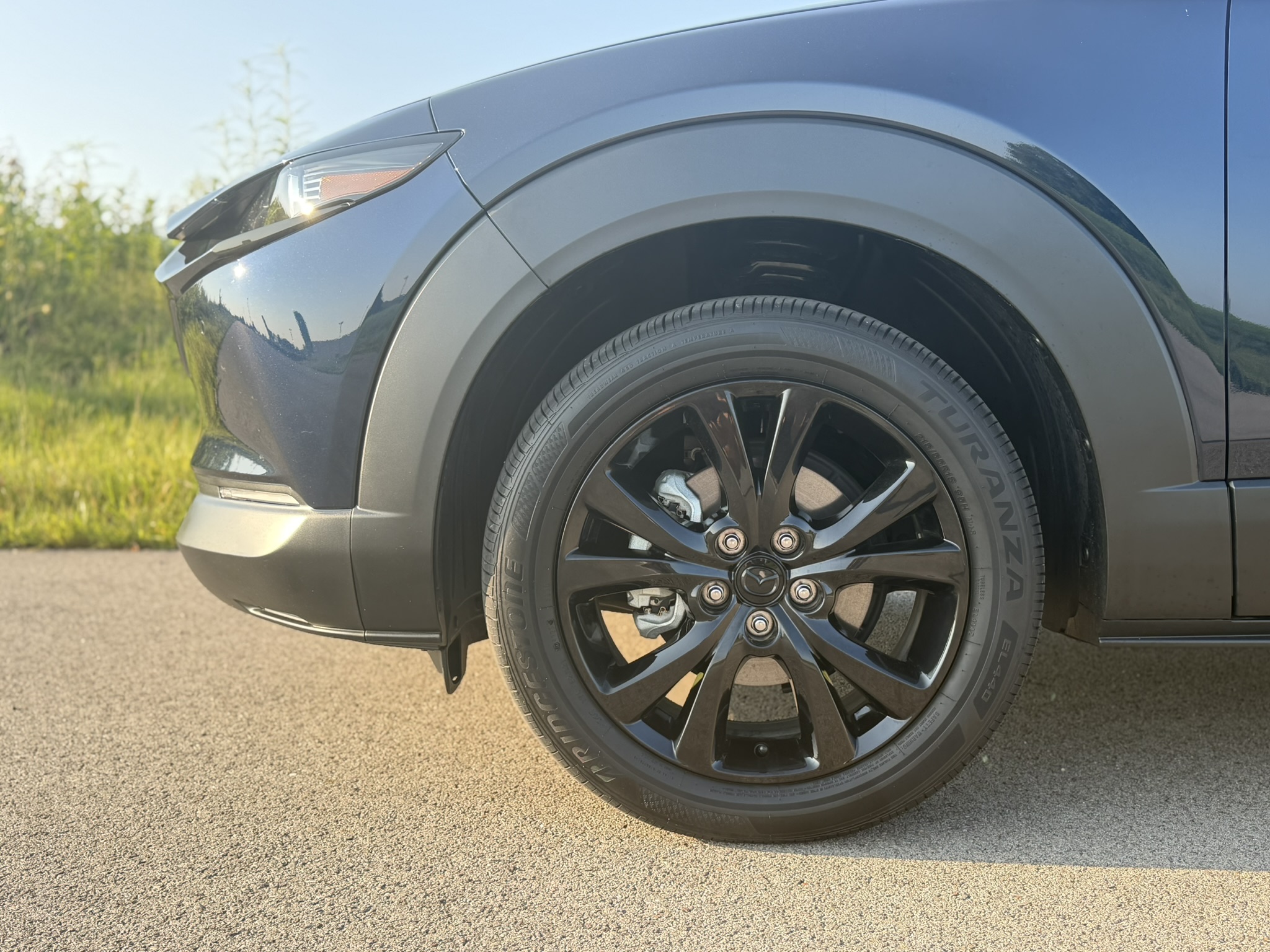
Mazda has also done a great job offering attractive wheel options. Base models feature 16-inch aluminum alloy wheels, while most higher trims move up to 18-inch alloys. The new Aire Edition models feature distinctive 18-inch wheels with a black metallic finish, black exterior accents, and unique interior treatments.
The new Aire Editions are an interesting addition for 2026. Both naturally aspirated and turbocharged versions offer exclusive white leatherette seating with gray inserts, distinctive black exterior trim, and additional styling touches that give the CX-30 a fresh appearance.
Turbo Aire Edition:
The 2026 Mazda CX-30 2.5 Turbo Aire Edition is a new addition to the CX-30 lineup, combining the sporty performance of Mazda's turbocharged engine with a distinctive appearance package and an upscale, light-colored interior. Positioned above the naturally aspirated Aire Edition, it offers an appealing combination of performance, comfort, and styling without requiring buyers to move all the way up to the more expensive Turbo Premium Plus.
It comes with a blacked out exterior treatment package that gives it a sportier and more contemporary vibe. Key exterior features include 18-inch black metallic-finish aluminum alloy wheels, gloss-black exterior badges, black exterior mirrors, black signature front grille wing, black roof rails, LED headlights and taillights, and a power-sliding glass moonroof. Available exterior colors include Aero Gray Metallic, Snowflake White Pearl Mica, Ceramic Metallic, Deep Crystal Blue Mica, and Jet Black Mica.
One of the most distinctive aspects of the Turbo Aire Edition is its interior. Mazda moves away from the traditional darker cabin treatments and introduces an exclusive light-colored appearance. The cabin features white leatherette-trimmed seating, gray microsuede seat inserts, gray microsuede interior trim, contrasting gray stitching, leather-wrapped steering wheel and shift knob, heated front seats, eight-way power-adjustable driver's seat with memory, dual-zone automatic climate control, and rear-seat air conditioning vents.
Final Statement
The CX-30 remains a welcome entry-level vehicle in the Mazda lineup. It reinforces Mazda's desire to move upmarket with a well-built, high-quality vehicle that delivers more than its price tag might suggest. For 2026, Mazda has made some worthwhile improvements to an already appealing package. The revised suspension tuning, new limited-slip differential, expanded technology offerings, and additional Aire Edition trims help keep the CX-30 competitive in an increasingly crowded segment.
The CX-30 checks a lot of boxes for a lot of buyers. Reasonable pricing, a respectable standard engine, an available turbocharged powertrain, standard all-wheel drive, and a premium feel inside and out make it well worth considering. It remains one of my favorite choices in the booming subcompact crossover segment.